Why NEXUS Exists

A letter to parents who sense something is wrong with how we educate children.

The World Has Changed

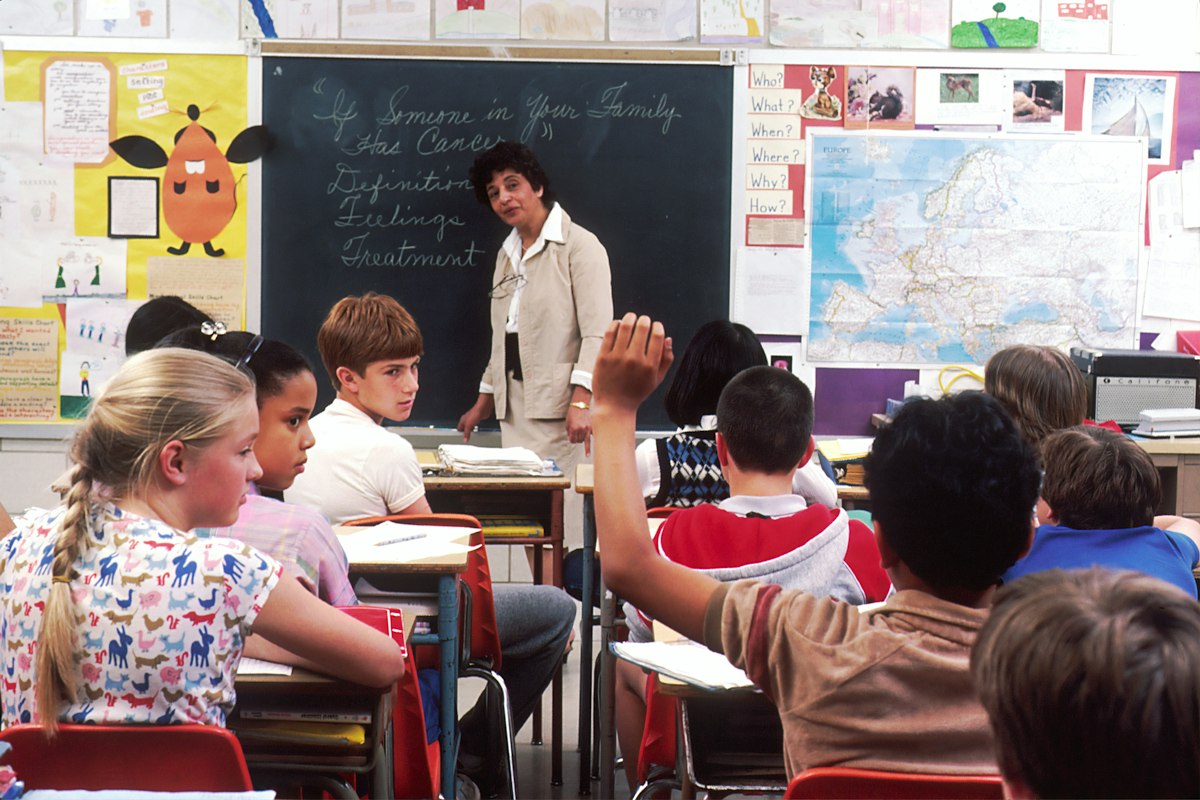
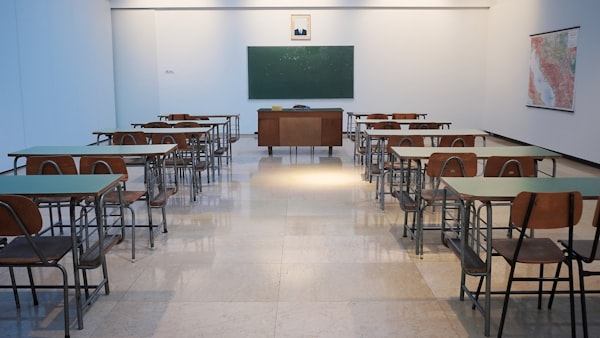
You can feel it. Something in the traditional model of education is breaking. Your child sits in a classroom designed for the 1890s. A teacher delivers content. They take tests. They get a grade. And somehow this is supposed to prepare them for a world that looks nothing like the one that system was built for.

Artificial intelligence has changed everything. Knowledge is no longer scarce. Your child doesn't need to memorize the capitals of every country—they can ask an AI in seconds. They don't need to solve calculus problems by hand; machines do that better. The value of mere information has collapsed.
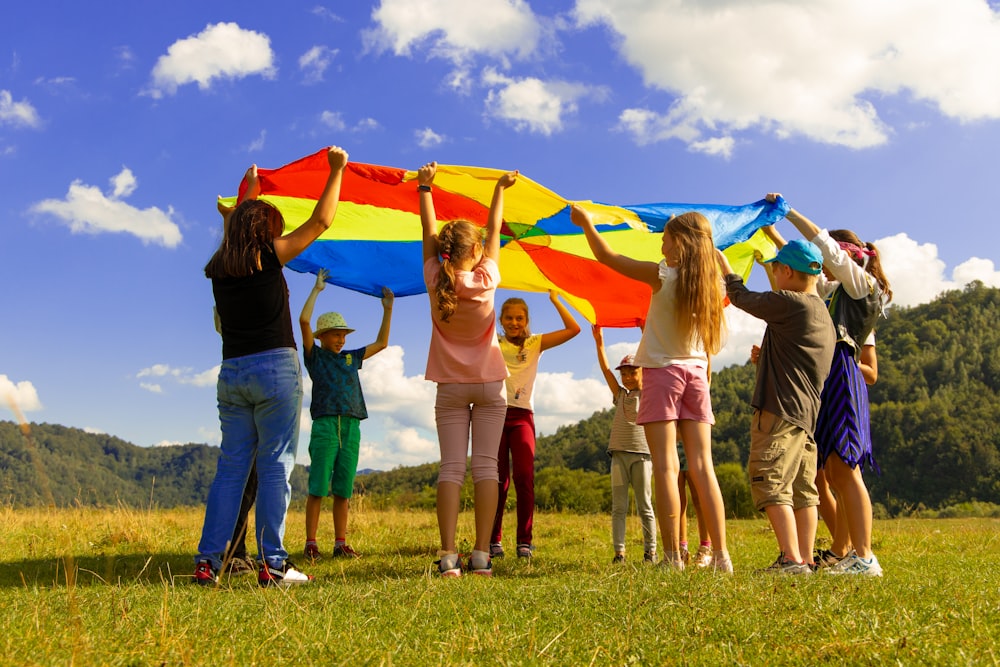
Diverse children collaborating
What matters now is what no machine can do: judgment, creativity, ethical reasoning, collaboration, and the ability to ask the right questions.

The children thriving in the world they'll inherit won't be the ones who memorized the most. They'll be the ones who can think clearly under uncertainty, who can work alongside others and machines, who understand human connection, and who know how to create things that matter.

Traditional schools still measure success with test scores and grades. Useful in 1950. Worse than useless now. Those metrics don't measure judgment. They don't measure whether a child can collaborate. They don't measure whether a child knows themselves. They measure compliance and short-term recall.

Your child is being prepared for a world that no longer exists, using methods that never actually worked.

You know this. That's why you're here. You sense that education should feel different. It should feel alive. It should match how humans actually learn and grow. It should help your child become who they're meant to be, not who a standardized curriculum says they should be.
What Traditional Education Gets Wrong

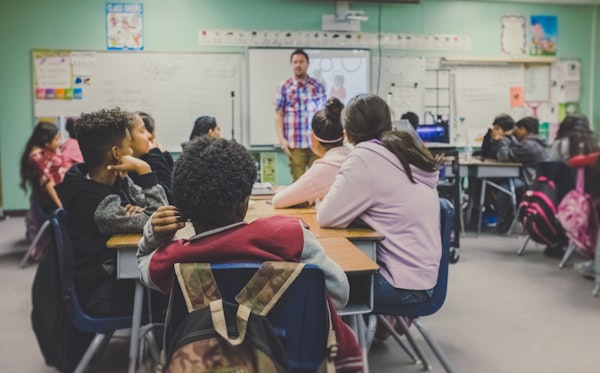
Traditional classroom

Traditional Model

Structure: Subjects divided into boxes. Math, English, Science, History. Arbitrary. Siloed.
Progress: Grades and test scores. A number that says how "good" you are. No nuance. No growth.
Pace: Everyone moves at the same pace by age, regardless of readiness or need.
Mentorship: A teacher manages 25+ students. Knows you by your test scores and behavior.
Community: Classmates based on zip code. Limited exposure. Isolated from the global world.
Purpose: Preparing workers. Fitting into the system. Following rules.
Children learning outdoors

NEXUS Model

Structure: Seven Dimensions. How humans actually grow: Clarity, Conscience, Voice, Agency, Creation, Connection, Vitality. Woven together.
Progress: Growth Stages. A portfolio of real work. Visible, meaningful development over time.
Pace: Your child progresses when they're ready. Personalized rhythm. Respect for actual development.
Mentorship: An AI-assisted Mentor who knows your child deeply. Asks good questions. Guides, never dictates.
Community: Global cohorts. Learning with peers from everywhere. Real collaboration across borders.
Purpose: Becoming yourself. Creating things that matter. Understanding what you believe and why.

Our Core Principles

"Never teach a subject—always create a situation"

Learning happens through doing, not listening. Your child doesn't study math in the abstract. They build something real that requires math. They don't "learn" about ecosystems. They restore one. Real situations create real learning.

"Parents are witnesses, not teachers"

Your role isn't to teach your child or enforce homework. You're a witness to their growth. You see what they create. You ask them about what they're learning. You celebrate their breakthroughs. You're in partnership with the Mentor.

"The mentor asks, never tells"

Real learning comes from curiosity, not instruction. The Mentor doesn't dump information. They ask questions that open doors. "What would happen if...?" "How would you know...?" "What matters to you about this?" Questions that make your child think.

"Growth is visible, not scored"

A grade is abstract and demoralizing. A portfolio is real. Your child builds a body of work that shows who they're becoming. You can see progress. You can point to it. That matters more than any number.

Parent and child together

What This Means for Your Child

Child exploring nature

Your child learns by doing, not sitting. They tackle real problems with peers around the world. They might spend a month on water systems—studying hydrology, interviewing engineers, designing filtration solutions, understanding policy. Math, science, engineering, ethics, collaboration. All woven in. All real.

Your child has a Mentor who knows them. Not as "the kid in the third row" or "a B+ student." But as a person. Their curiosity, their fears, their strengths, their rhythm. The Mentor asks them the right questions at the right time. Guides them toward becoming who they're meant to be.

Your child collaborates globally. Their cohort is 15-20 peers from different countries, different backgrounds, different perspectives. They learn how to work across difference. They learn that the world is bigger than their neighborhood. They build relationships that might last a lifetime.

Your child builds a portfolio, not a transcript. By the time they're 18, they have a body of real work. Projects they're proud of. Problems they've solved. Things they've created. That portfolio means something. It says "this person can think, build, collaborate." That matters far more than a row of letter grades.

Most importantly: your child gets to be a human. Not a test-taker. Not a grade-earner. A human being growing into themselves. Learning how to think. Learning what they care about. Learning how to create. Learning how to matter.

Next: Explore the Seven Dimensions →