Five Growth Stages
Not grades. Not age-based tracks. Five stages of human development — each one honored on its own terms.
Why Stages, Not Grades
Grades assume all children develop at the same rate. They measure performance against a uniform standard, often leaving some children behind while others wait at an artificial ceiling. But childhood doesn't work that way. Human growth is rhythmic, organic, and deeply individual.
Stages honor natural development. A child moves through stages when they are ready, not when the calendar says. There are no tests to pass, no red marks to fear. Instead, growth is observed — carefully and lovingly — through the Living Portrait that evolves with your child each week.
Each stage brings new capacities, new ways of thinking, and new ways of contributing to the world. In NEXUS, we meet your child exactly where they are.
A Growing Path





Spark
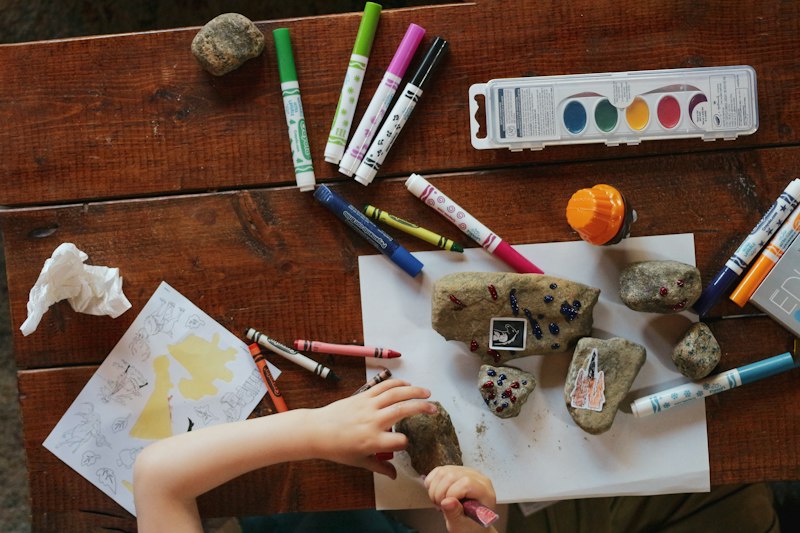
The world is pure wonder. Your child is falling in love with learning for the first time — through story, song, movement, and sensory exploration. Curiosity is boundless. Questions tumble out one after another: Why? How? What if? This is the age of imagination awakening, where a stick becomes a wand and a cardboard box becomes a castle.
In NEXUS, the AI mentor is gentle and playful, entering into your child's sense of discovery. Learning feels like play because it is play. Stories come alive. Songs stick. Movement teaches rhythm.
Days are mostly play-based. Focus periods are short — 10-15 minutes at a stretch. Your child might spend an hour exploring one fascinating question, then bounce to something entirely different. There's lots of movement, music, art, and time outside. The AI mentor joins through gentle stories and interactive exploration.
Questions multiply daily. Your child's confidence grows visibly. They start inventing their own stories, songs, and games. They want to show you everything. They're beginning to recognize patterns and remember sequences. Attention is growing, but novelty and joy are still the engines of learning.
Explorer
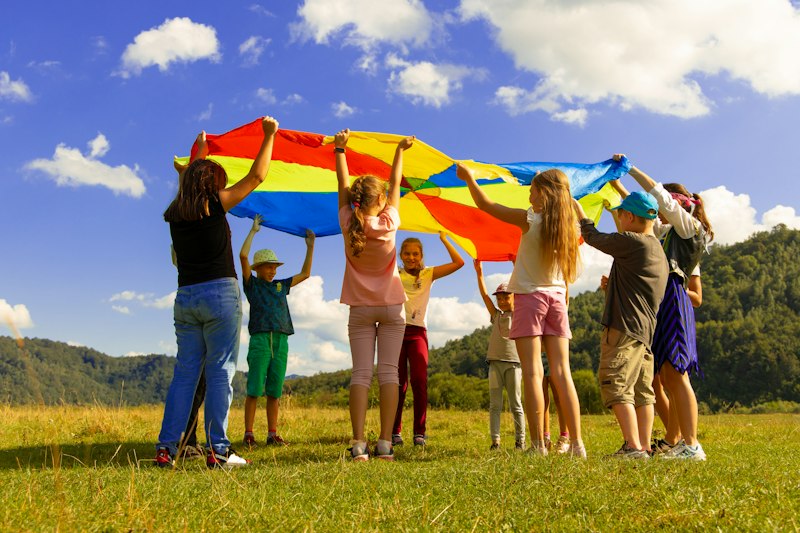
Everything needs to be tested. Your child is an experimenter and investigator, asking not just "What is this?" but "Why does it work? What happens if I...?" They're beginning to build real skills — reading deeply, writing to communicate ideas, thinking mathematically through projects, not just worksheets. Confidence is growing. They're joining cohorts and learning from peers.
The AI mentor becomes a co-investigator, asking better questions, helping your child see patterns, celebrating discoveries.
Focus periods lengthen to 20-30 minutes. Your child might dive into a project — a scientific investigation, a creative writing piece, building something — and lose track of time. First cohort collaborations begin. There's a mix of guided exploration and growing independence. The AI mentor is a constant presence, available for questions and wonderings.
Your child starts independent experiments and collections. They want to know HOW things work, not just WHAT they are. They ask for books on specific topics. They notice cause and effect. They're beginning to form opinions and enjoy friendly debates. Frustration sometimes comes when things don't work as expected — a perfect teaching moment.
Thinker
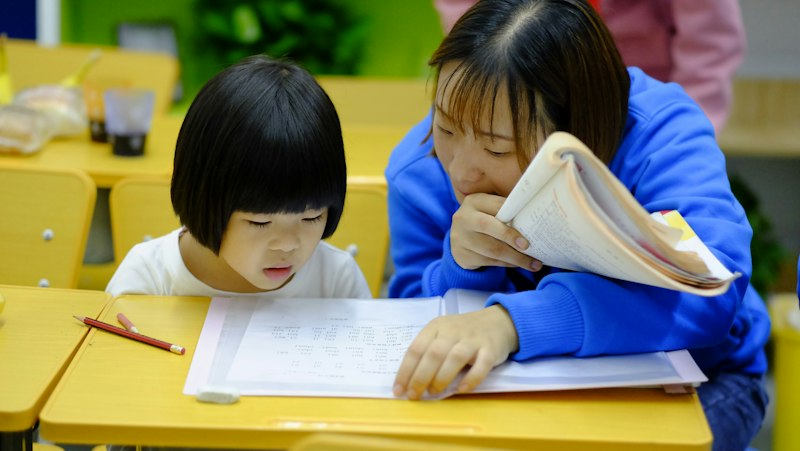
Abstract thinking emerges. Your child can now see patterns, systems, and structures. They notice multiple perspectives on the same question and understand nuance. Debates become possible and enjoyable. They're forming genuine intellectual opinions. They're moving from "I like this" to "I believe this because..."
The AI mentor introduces complexity and nuance, asking them to consider counterarguments, to dig deeper, to see how ideas connect across domains.
Deep work sessions expand to 45+ minutes. Your child can sustain focus on complex problems. Cohort debates and discussions begin. There's growing interest in understanding systems — how governments work, how markets function, how ecosystems balance. The AI mentor becomes a guide for deeper thinking, offering resources and prompting reflection.
Your child questions authority in a healthy way. They're beginning to develop their own opinions and defend them. They notice patterns and systems in the world around them. They get interested in "big questions" — justice, truth, identity. They might suddenly care deeply about a particular subject. They're becoming a more independent thinker.
Creator
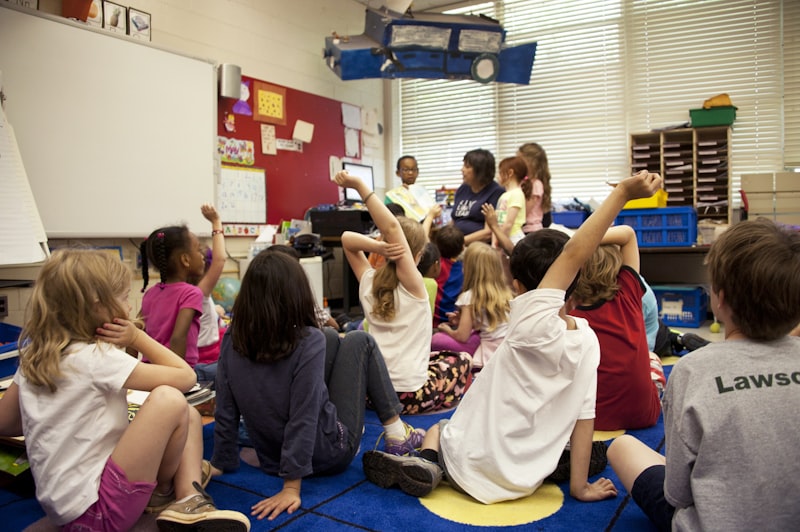
Identity formation through making. Your child is building something in the world — a story, a song, a research project, a business idea, an art piece. The question "What do I care about?" becomes urgent and real. They're discovering their voice. They have opinions and they want to be heard. They're beginning to understand their gifts and where they might contribute.
The AI mentor becomes a coach for ambitious projects, helping your child bring ideas to reality, connecting them with mentors and resources.
Learning becomes project-based and self-directed. Blocks of uninterrupted time for deep creation appear on the calendar. Your child drives their own learning agenda. Cohort collaboration deepens into real partnerships. The AI mentor offers guidance, connections, and encouragement, but your child is increasingly steering their own ship.
Passion projects emerge with intensity. Your child has strong opinions and wants them heard. They're beginning to understand what they care about. They might hit friction or failure — an important and beautiful part of this stage. They're developing a sense of responsibility and wanting to impact the world. Authenticity becomes non-negotiable.

Catalyst
Leadership, contribution, and purpose. Your child is preparing for adulthood. They're building real-world projects, maybe apprenticeships or internships. They're mentoring younger students. They're clarifying what they want to study, what they want to build, who they want to become. This is the stage of genuine responsibility and meaningful work.
The AI mentor becomes an advisor — for life decisions, for navigating complex choices, for connecting to opportunities and communities that match their emerging purpose.
Learning is highly self-directed, driven by goals and questions that matter to your young adult. There are internship-like blocks of time on their schedule. Community contribution is real, not simulated. The AI mentor is available for guidance, but your child is increasingly autonomous — researching, building, deciding, leading.
A new maturity emerges. Your child is taking responsibility seriously. They're thinking clearly about what matters to them. They have goals. They're beginning to shape the world, not just learn from it. Conversations shift from "What do I learn?" to "What do I want to build? Who do I want to become?" This is leadership forming.
Transitions Between Stages
There are no tests to pass. No grades to achieve. Growth is observed through the Living Portrait — a rich, evolving picture of who your child is becoming. We watch for readiness: new capacities, new ways of thinking, new questions being asked. When the time feels right, your child moves into a new stage — not because they turned a birthday, but because they're ready.